Editorial team
General informational content
In short: a tummy tuck in Guadalajara, Mexico, is surgery that removes loose skin and excess fat from the abdomen and, when needed, repairs separated abdominal muscles (diastasis recti). It suits healthy adults at a stable weight with no plans for future pregnancy, and should be performed in a hospital by a CMCPER board-certified plastic surgeon after an individual evaluation.
A tummy tuck, or abdominoplasty, removes excess skin and fat from the lower abdomen and tightens abdominal muscles that have separated or weakened, usually after one or more pregnancies or significant weight loss. According to the 2025 statistics of the American Society of Plastic Surgeons (ASPS), it was the third most common cosmetic surgical procedure in the United States, behind only liposuction and breast augmentation.
What Is a Tummy Tuck and What Does It Correct?
A tummy tuck addresses three layers of the abdomen: loose or hanging skin, the localized fat beneath it, and the fascia of the rectus muscles, which can remain separated after pregnancy. The ASPS points out two important limits: a tummy tuck is not a substitute for weight loss or an appropriate exercise program, and it cannot correct stretch marks, except for those located on the skin that is removed during surgery.
Types of Tummy Tuck
- Full tummy tuck: a hip-to-hip incision placed as low as possible, plus an incision around the belly button so it can be repositioned. It removes skin above and below the navel and repairs diastasis along its full length. According to an ASPS member surgeon, most people need a full tummy tuck, and it often includes liposuction of the hips and flanks.
- Mini tummy tuck: a shorter incision just above the pubic area, usually without moving the belly button. It suits people whose loose skin or excess fat is limited to the lower abdomen.
- Fleur-de-lis tummy tuck: adds a vertical incision. It is reserved for large skin excess, most often after massive weight loss.
- Lipoabdominoplasty: combines the tummy tuck with liposuction in the same operation. It is explained below.
Keep in mind: In general, the choice between a full tummy tuck, a mini tummy tuck and a lipoabdominoplasty is not a matter of patient preference. It depends on the surgeon's physical examination: the amount of excess skin, fat, muscle condition and any previous scars. Because a mini tummy tuck is designed for excess limited to the lower abdomen, it is usually not enough when there is laxity above the navel.
Tummy Tuck vs. Liposuction: Which One Do You Need?
These are different operations and one does not replace the other. The ASPS puts it simply: liposuction is effective for stubborn areas of fat, but the skin can only contract so much; if there is additional skin, it may need to be removed with an abdominoplasty.
- Liposuction: removes localized fat and works best when the skin still has good elasticity. It does not correct loose skin or muscle separation. If your concern is mainly fat, see the 360° liposuction guide.
- Tummy tuck: removes excess skin, tightens the muscle wall and reshapes the waistline.
In practical terms: if you have localized fat with firm skin, liposuction may be enough. If you have hanging skin, stretch marks on the lower abdomen or diastasis recti, a tummy tuck is usually the appropriate option.
Lipoabdominoplasty in Guadalajara: How It Differs From a Classic Tummy Tuck
Lipoabdominoplasty is a tummy tuck in which liposuction of the abdomen, the flanks and, depending on the case, nearby areas is performed during the same surgery, while the skin is lifted in a more limited way than in the classic technique. It is an evolution of the tummy tuck, not a separate procedure, aimed at a more natural waist contour.
How the Technique Evolved
A review published in Plastic and Reconstructive Surgery Global Open (O'Kelly et al., 2020) summarizes its evolution: after liposuction arrived in the 1980s, Matarasso advanced its safe combination with the full tummy tuck, and Brazilian surgeon Osvaldo Saldanha introduced selective undermining that preserves the perforator vessels of the abdominal wall, to reduce wound-healing problems and seromas.
Key Differences From a Classic Tummy Tuck
- Skin undermining: in the classic technique, the skin is separated from the muscle wall over a wide area of the upper abdomen. In lipoabdominoplasty, that undermining is selective and is combined with liposuction.
- Blood supply: by preserving more perforator vessels, the technique seeks to maintain better blood flow to the skin while it heals.
- Contour: liposuction refines the waist and flanks in the same operation.
- Patient selection: not everyone is a candidate; it depends on fat, skin quality, health and the extent of surgery.
What Does the Evidence Say About Safety?
A meta-analysis published in Aesthetic Plastic Surgery (Xia et al., 2019) pooled 17 studies with 14,061 patients who underwent abdominoplasty or lipoabdominoplasty. Across all patients, 4.1% developed a seroma, 0.8% a hematoma, 5.6% wound infection, wound separation or fat necrosis, 0.2% deep vein thrombosis and 0.7% scar deformity. When the techniques were compared, the lipoabdominoplasty group had fewer complications overall, and specifically fewer seromas and hematomas, than traditional abdominoplasty.
Evidence note: The authors concluded that there was no evidence that lipoabdominoplasty increases complications compared with traditional abdominoplasty. The included studies were mostly observational (level of evidence III), so the choice of technique should always be made individually with your surgeon.
Who Is a Good Candidate for a Tummy Tuck in Guadalajara?
According to the ASPS, you may be a good candidate if:
- You are physically healthy and at a stable weight.
- You have realistic expectations about what surgery can and cannot achieve.
- You are a nonsmoker.
- You are bothered by the appearance of your abdomen.
The ASPS also advises postponing a tummy tuck if you are considering future pregnancies or planning substantial weight loss, because both can change the result.
After Pregnancy
Pregnancy, especially more than one, can stretch the skin and abdominal fascia beyond their ability to recover. That is why a tummy tuck is a common part of a mommy makeover, combined with breast surgery. It is best to wait until your body stabilizes after delivery and breastfeeding; the right timing is defined by the surgeon in an individual evaluation.
Diastasis Recti
Diastasis recti is the separation of the rectus abdominis muscles along the midline. During a full tummy tuck, the surgeon sutures the fascia of these muscles, a step called plication, to bring them back together and firm the abdominal wall. The degree of separation is assessed during the physical examination and, when needed, with imaging studies.
After Significant Weight Loss
After major weight loss, through diet or bariatric surgery, excess skin is common and liposuction cannot fix it. Surgery may be more extensive, and for very large skin excess the surgeon may recommend a fleur-de-lis technique.
Important: A tummy tuck is not a weight-loss treatment. It is a body contouring surgery for people who are already at or near their goal weight and have kept it stable.
How Much Does a Tummy Tuck Cost in Guadalajara?
There is no single price. The cost of a tummy tuck in Guadalajara is defined after an evaluation with a board-certified plastic surgeon, because it depends on the technique, the extent of surgery, any combined procedures and the hospital. The ASPS lists the components that usually make up the total cost, and similar items are usually considered in Mexico:
- Technique and extent: a mini tummy tuck, a full tummy tuck and a lipoabdominoplasty involve different operating time and resources; adding procedures changes the cost.
- Surgeon's fee: according to the ASPS, it is based on the surgeon's experience, the type of procedure and the geographic location.
- Hospital and operating room: operating room, recovery area and overnight stay, which vary from one hospital to another.
- Anesthesia: the anesthesiologist's fee and the pre-anesthesia evaluation.
- Preoperative tests: lab work and, depending on your age and history, other studies or a clearance from another specialist.
- Compression garments: post-surgical garment or binder.
- Medications: pain relief and any other prescriptions after surgery.
- Follow-up: check-up visits and wound care during recovery, plus drain removal if drains were placed.
Before comparing quotes: ask exactly what each one includes: surgeon's fee, hospital, anesthesia, tests, garments, medications and follow-up visits. Two quotes with similar numbers can cover very different things.
That is why a figure given without reviewing your case is, at best, a general reference. The real cost becomes clear once a board-certified plastic surgeon evaluates you, defines the appropriate technique and gives you an itemized quote; ask for it in writing and confirm what is not included.
Traveling From the U.S. for a Tummy Tuck in Guadalajara
A tummy tuck is major surgery, so plan the trip around your recovery, not sightseeing. The ASPS briefing paper on cosmetic surgery tourism highlights three points to plan for: credentials, blood clot risk when flying after surgery, and follow-up care at home.
Before You Book
- Verify credentials first: the ASPS notes it may be difficult to assess the training of surgeons outside the U.S. Check your surgeon in the official CMCPER directory and ask which hospital will be used before paying for travel.
- Share your medical history early: records, current medications and previous abdominal surgeries help the surgeon tell whether a tummy tuck is appropriate. The final plan still requires an in-person examination.
- Bring a companion: the ASPS recommends someone who takes you to and from surgery and stays with you at least the first night.
- Keep your return flexible: when you can fly depends on how you recover.
How Long to Stay in Guadalajara Before Flying Home
The ASPS suggests waiting five to seven days after body procedures before flying, because long flights and surgery can each increase the risk of blood clots and pulmonary embolism, and combining them raises it further. Your surgeon may recommend a longer stay depending on your procedure, drains and healing, and should set the final date after your follow-up visits.
Follow-Up Once You Are Back in the U.S.
The ASPS warns that cosmetic surgery vacation packages often provide limited follow-up once patients return home. Before surgery, ask which check-ups take place in Guadalajara, how to reach the surgical team if something changes, and whether to arrange a local physician who can see you in person. Keep copies of your operative report and discharge instructions.
The Procedure, Step by Step
Details vary with the technique and the surgeon, but a tummy tuck generally follows these stages:
- Consultation: medical history, physical examination and a conversation about your goals.
- Preparation: usually includes lab testing and medication adjustments. The ASPS mentions quitting smoking and avoiding aspirin, anti-inflammatory drugs and herbal supplements that can increase bleeding; your surgeon will tell you what to stop and when.
- Surgical markings: with the patient standing, the surgeon draws the incision lines.
- Anesthesia: administered by an anesthesiologist; the type is defined during the pre-anesthesia evaluation.
- Incision and undermining: a low incision planned to sit under underwear, and separation of the skin from the muscle wall: wide in the classic technique, selective in lipoabdominoplasty.
- Plication: suturing the fascia of the rectus muscles to correct diastasis.
- Belly button: in a full tummy tuck, it is repositioned in the tightened skin.
- Closure: excess skin is removed and, depending on the case, the surgeon may place thin drains to remove fluid.
- Compression: many surgeons prescribe a compression garment to minimize swelling and support the abdomen.
Tummy Tuck Recovery: What to Expect Week by Week
Every recovery is different. The time frames below are general, based on patient guidance published by the ASPS, and are always adjusted to your surgeon's instructions.
Week 1
Pain and discomfort are expected and are managed with medication. You may have drains to remove excess fluid. If a compression garment was prescribed, it is generally worn continuously, and light walking is usually encouraged to promote circulation.
Week 2
You should start to feel better and move more comfortably. Some patients return to work and light daily activities, as long as they are not physically demanding.
Weeks 3 and 4
By week four, most people can resume the majority of their usual activities. Heavy lifting and strenuous exercise are still avoided.
Week 6 and Beyond
Subject to your surgeon's approval, you can gradually return to more strenuous exercise. Direct abdominal training resumes only when your surgeon clears it.
The Following Months
Swelling decreases gradually and the scar matures, fading from pink to a lighter tone over time. The final contour becomes visible once the swelling has fully resolved.
Recovery tip: follow your surgeon's instructions on the compression garment and activity, walk from the first days if you are told to, avoid lifting before you are cleared and attend every follow-up visit. If you notice sudden swelling, fever, pain or swelling in one calf, or shortness of breath, contact your surgeon right away; if you are already home, seek urgent local care as well.
Risks and Possible Complications
Like any surgery, a tummy tuck carries risks, and you should understand them before deciding. In an analysis of 25,478 abdominoplasties published in Plastic and Reconstructive Surgery (Winocour et al., 2015), the major complication rate was 4.0%, compared with 1.4% for other aesthetic procedures. The most common were hematomas, infections and suspected or confirmed venous thromboembolism.
In the same study, factors that increased risk included male sex, age 55 or older, a body mass index of 30 or higher, combining procedures and having surgery in a hospital or surgical center rather than an office-based operating suite. Because this is an observational study, that last finding shows an association, not a cause; one possible interpretation, which the study does not prove, is that more complex cases are treated in hospitals. The complication rate was 3.1% for a tummy tuck alone, 3.8% when combined with liposuction and 10.4% when liposuction and another body contouring procedure were added.
The ASPS lists the following risks, among others:
- Seroma: fluid accumulation under the skin, which sometimes needs to be drained.
- Bleeding and hematoma.
- Infection and poor wound healing.
- Fat necrosis or skin loss.
- Deep vein thrombosis and cardiac or pulmonary complications.
- Numbness or other changes in skin sensation.
- Unfavorable scarring, asymmetry or recurrent looseness of skin.
- Suboptimal aesthetic result.
- Persistent pain, skin discoloration or prolonged swelling, and the possibility of revision surgery.
- Anesthesia risks.
To lower your risk: share your full medical history, stop smoking, pause what your surgeon indicates and think carefully about combining several procedures in one operation, especially if you will fly home afterward.
Results: How Long They Last and How to Protect Them
The ASPS describes tummy tuck results as technically permanent, but warns that significant weight fluctuations can greatly diminish them. A later pregnancy can also stretch the skin and muscle wall again. To protect your result:
- Maintain a stable weight.
- Stay physically active once your surgeon clears you.
- Protect the scar from the sun while it matures.
- If you want more children, discuss it with your surgeon before deciding: the ASPS advises postponing surgery.
The scar is permanent. It is planned to sit low, but its final appearance depends on your skin type, your genetics and aftercare.
CMCPER Board Certification: How to Verify Your Surgeon
In Mexico, plastic surgeons are certified by the CMCPER (Consejo Mexicano de Cirugía Plástica, Estética y Reconstructiva), the council that plays a role similar to the American Board of Plastic Surgery in the U.S. Certification requires completing a plastic surgery residency and passing the council's examinations, followed by periodic recertification.
You can look up any plastic surgeon by name in the CMCPER directory of certified surgeons and confirm that the certification is current.
Verification: Before any plastic surgery procedure, whether in the U.S. or abroad, verify your surgeon's board certification. For procedures in Mexico, confirm CMCPER status in the official CMCPER directory and ask which hospital will be used and who the anesthesiologist will be.
Frequently Asked Questions About a Tummy Tuck in Guadalajara
How much does a tummy tuck cost in Guadalajara?
The cost depends on your case: the technique (mini, full or lipoabdominoplasty), whether other procedures are combined, the hospital, anesthesia, preoperative tests, compression garments, medications and follow-up visits. That is why a reliable figure cannot be given without an evaluation. The cost is set once a board-certified plastic surgeon reviews your case and chooses the technique; ask for an itemized quote that states what is and is not included. Budget travel and lodging separately.
How long do I need to stay in Guadalajara after a tummy tuck?
The ASPS suggests waiting five to seven days after body procedures before flying, because surgery and long flights both raise the risk of blood clots. Your surgeon may recommend a longer stay depending on your procedure, drains and healing. Book a flexible return ticket and let your surgeon confirm the date after your follow-up visits in Guadalajara.
What is lipoabdominoplasty?
Lipoabdominoplasty is a tummy tuck that includes liposuction of the abdomen and flanks in the same operation, with more limited skin undermining designed to preserve the vessels that supply the skin. Besides removing excess skin, it refines the waist contour. A 2019 meta-analysis found no evidence of more complications than with the traditional technique, but not every patient is a candidate.
How long is tummy tuck recovery?
The first week involves the most discomfort and care. Many patients resume light activities or desk work around week two, most usual activities by week four and more strenuous exercise from week six, with their surgeon's approval. Swelling continues to subside over the following months. Timelines vary, and your surgeon adjusts the plan to your case.
Can I get pregnant after a tummy tuck?
A later pregnancy can stretch the skin again and separate the repaired muscles, which would affect the result. That is why the ASPS advises postponing a tummy tuck if you are considering future pregnancies. If you have not decided yet, discuss it with your surgeon during the consultation so you can choose the right timing together.
How do I verify that a plastic surgeon in Mexico is board-certified?
Search the surgeon's name or certificate number in the official directory of the Consejo Mexicano de Cirugía Plástica, Estética y Reconstructiva (CMCPER), available at directoriocirugiaplastica.mx, and confirm that the certification is current. Also ask which hospital will be used and who the anesthesiologist will be.
This article is intended for informational and educational purposes only. It does not replace an in-person medical consultation. Every case must be individually evaluated by a board-certified plastic surgeon, and results vary based on individual anatomy, health status and adherence to postoperative instructions.
- 1.American Society of Plastic Surgeons — Tummy Tuck: candidates, risks and results
- 2.American Society of Plastic Surgeons — There's more than one type of tummy tuck (2024)
- 3.American Society of Plastic Surgeons — How much does a tummy tuck cost?
- 4.American Society of Plastic Surgeons — Your guide to a tummy tuck: before, during and after (2023)
- 5.American Society of Plastic Surgeons — 2025 Plastic Surgery Statistics
- 6.American Society of Plastic Surgeons — Briefing Paper: Cosmetic Surgery Tourism
- 7.PubMed — Winocour J et al. Abdominoplasty: Risk Factors, Complication Rates, and Safety of Combined Procedures. Plast Reconstr Surg (2015)
- 8.PubMed — Xia Y et al. Safety of Lipoabdominoplasty Versus Abdominoplasty: A Systematic Review and Meta-analysis. Aesthetic Plast Surg (2019)
- 9.PubMed — O'Kelly N et al. Standards and Trends in Lipoabdominoplasty. Plast Reconstr Surg Glob Open (2020)
- 10.Consejo Mexicano de Cirugía Plástica, Estética y Reconstructiva — Directorio de cirujanos certificados
Important notice
The information in this article is for informational and educational purposes only. It was written by the editorial team from public sources and is not an official medical publication or recommendation by Dr. Sinué Gishe Robles Guzmán. It does not replace medical consultation, diagnosis, or treatment by a qualified professional. Each patient should be evaluated individually by a board-certified plastic surgeon. If you have questions about your case, schedule a consultation.
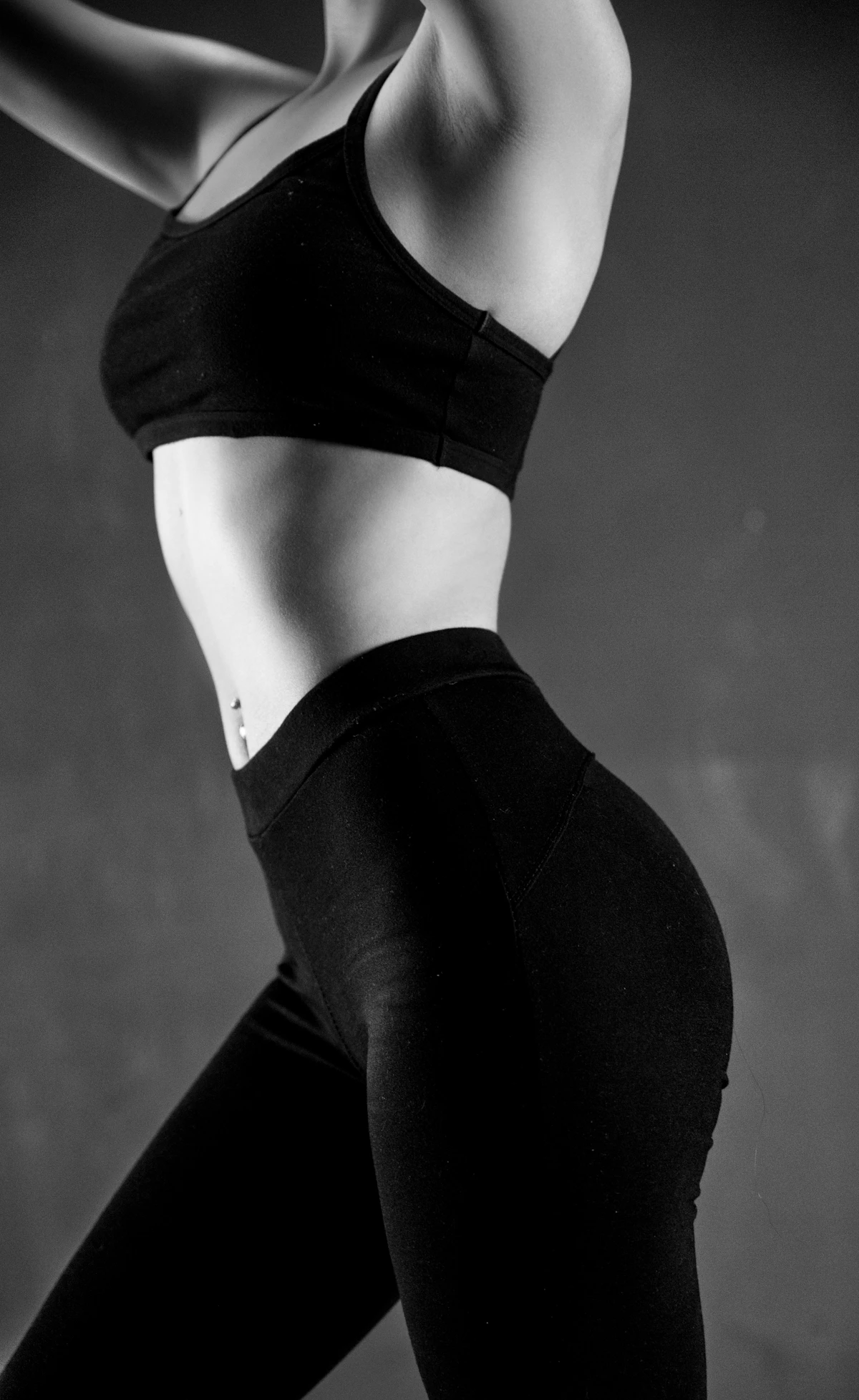
Cover image: Tammy Gann / Unsplash
Questions about your case?
Only a personalized medical evaluation can answer them. Book one with a board-certified plastic surgeon.
Book an evaluation